
Our Founder
Schools, Colleges and Universities are student-centered activities. These exist to shape Nation's young ones physically and spiritually. Shapers are to be selected very carefully. They have to have the required competence, dedication, and patriotism. A Nation's future can be shaped only through shaping the young ones of the Nation. Spiritual, mental, and physical aspects of human beings shall be treated with equanimity and understanding. Poornaprajna Institutions are trying to perform this duty towards the Nation. In all Poornaprajna Institutions, students are treated as Nation's children and God's children. Hence, all possible efforts are made to see that they get necessary training and guidance.
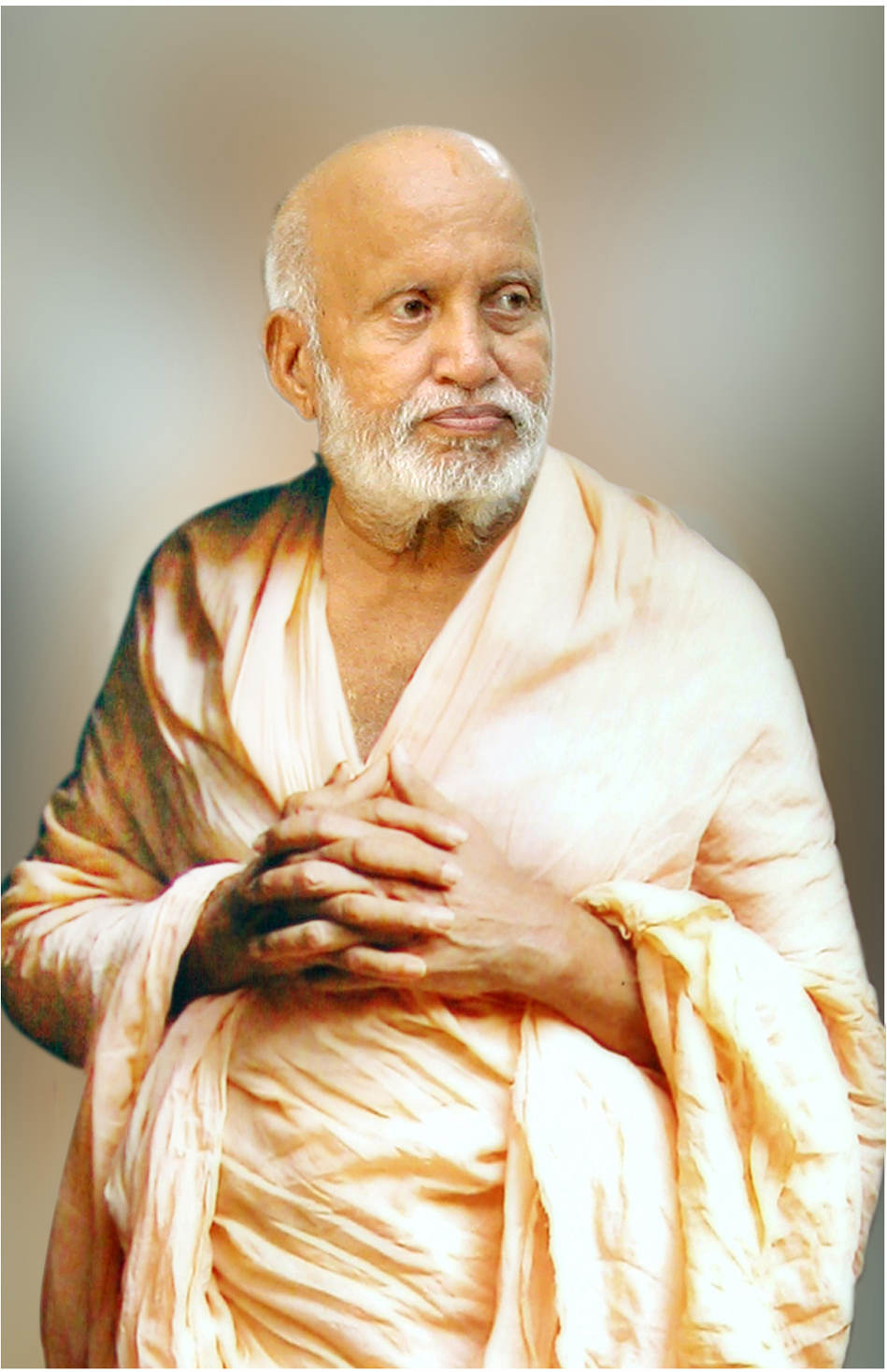 Parama Poojya Shree Shree Vibudhesha Theertha Swamiji was a transformative visionary who redefined the role of a religious leader by becoming a pioneer of modern secular education in India. As the 30th pontiff of the Admar Mutt, he recognized early in the 1960s that spiritual growth and scientific advancement were two sides of the same coin. This conviction led to the establishment of the Udupi Shree Adamaru Matha Education Council (USAMEC), under which he founded over 30 "Poornaprajna" institutions across the country, ensuring that high-quality education in science, commerce, and the arts was accessible to all, regardless of their background.
Often described as the "Scientific Sanyasi," Swamiji possessed a rare intellectual depth that allowed him to bridge the gap between ancient Vedic wisdom and contemporary research. He was a staunch advocate for fundamental research, which culminated in the creation of the Poornaprajna Institute of Scientific Research (PPISR) near Bengaluru. He famously believed that the pursuit of science was a form of worship, and he encouraged his students to cultivate a "Prajna" or enlightened intellect that questioned the physical world with the same rigor used to explore the metaphysical.
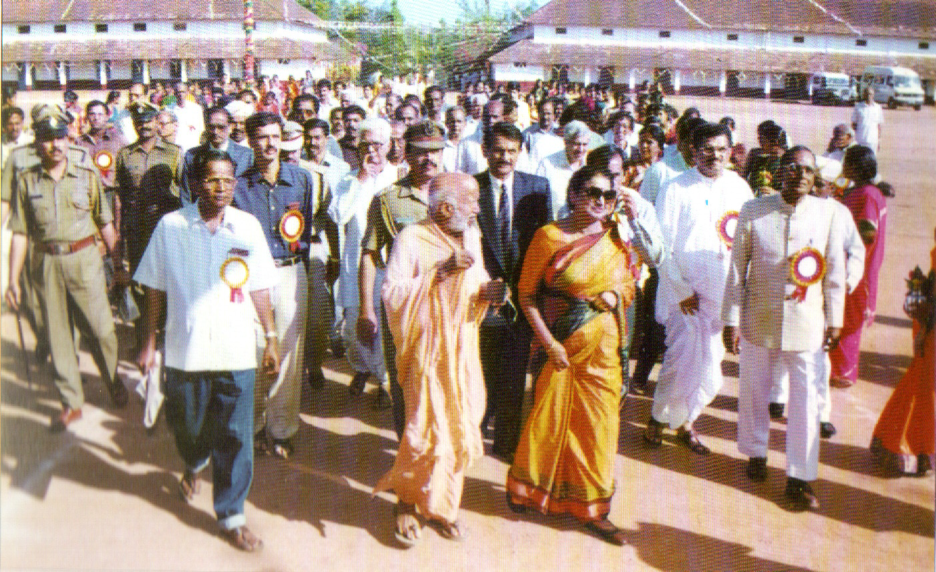
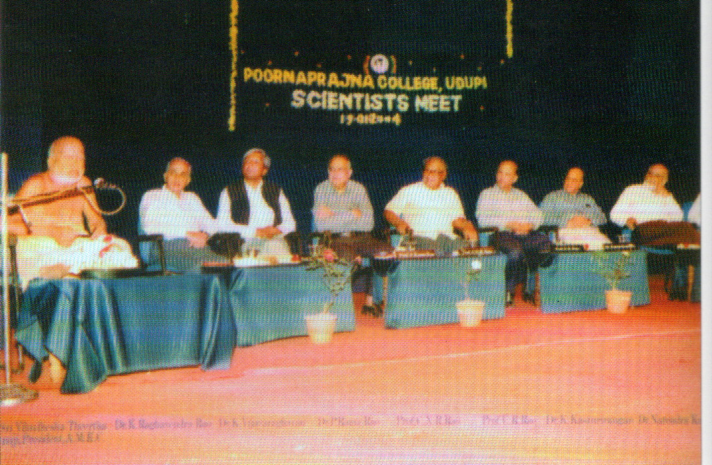
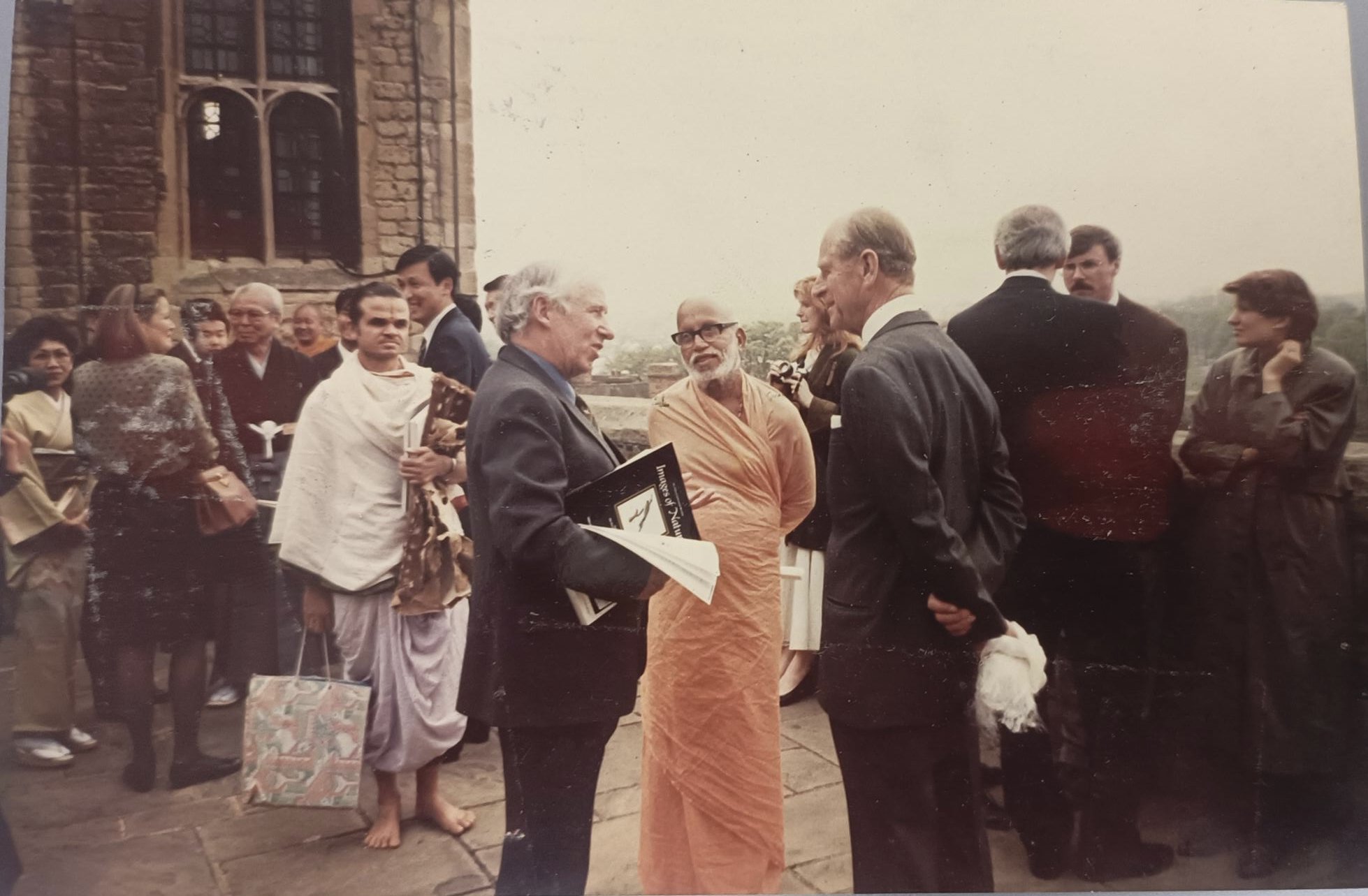
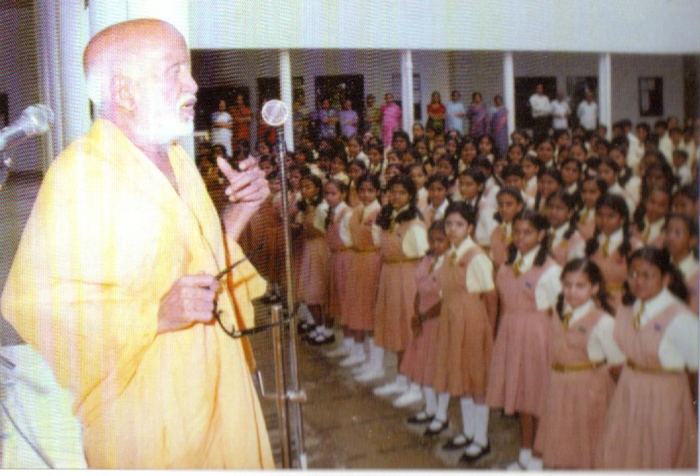
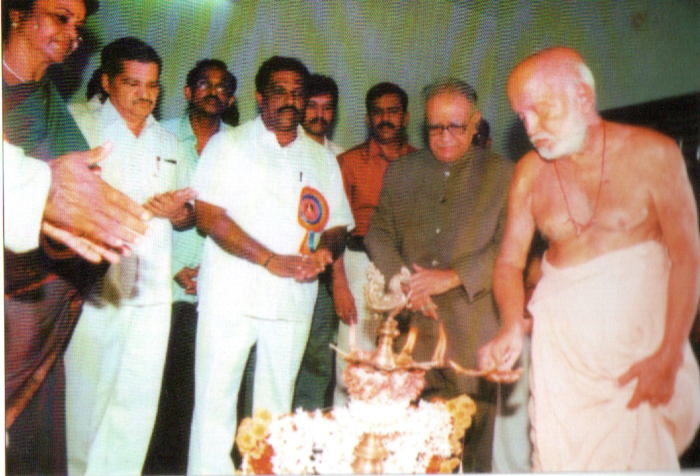
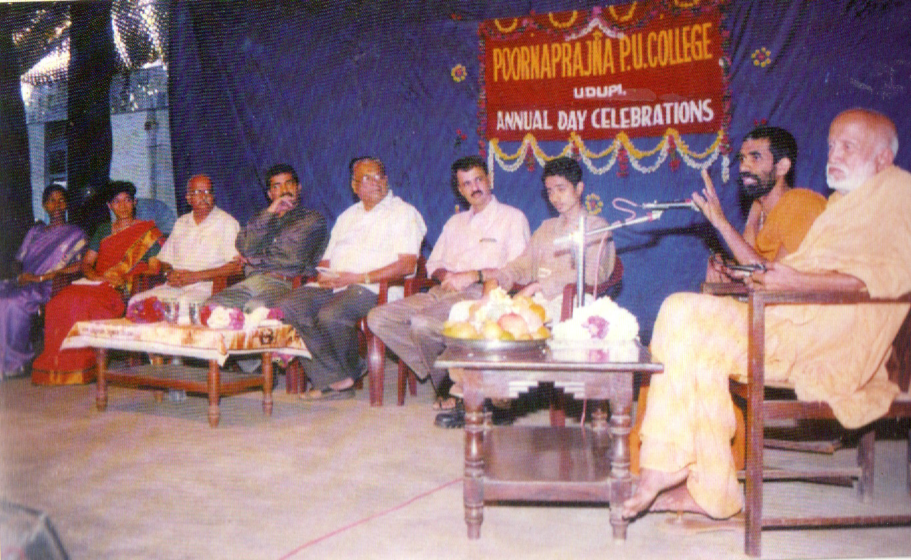
Beyond his administrative and academic achievements, Shree Vibudhesha Theertha Swamiji was admired for his immense simplicity and his role as a global cultural ambassador. He traveled extensively to spread the message of Indian philosophy while simultaneously inviting international scientists to interact with his students in Udupi. His legacy continues to flourish through the thousands of graduates who carry his values of discipline, patriotism, and scientific temper, and is currently steered forward by his successor, Parama Poojya Shree Shree Eeshapriya Theertha Swamiji, who maintains the institution's commitment to both tradition and technology.